
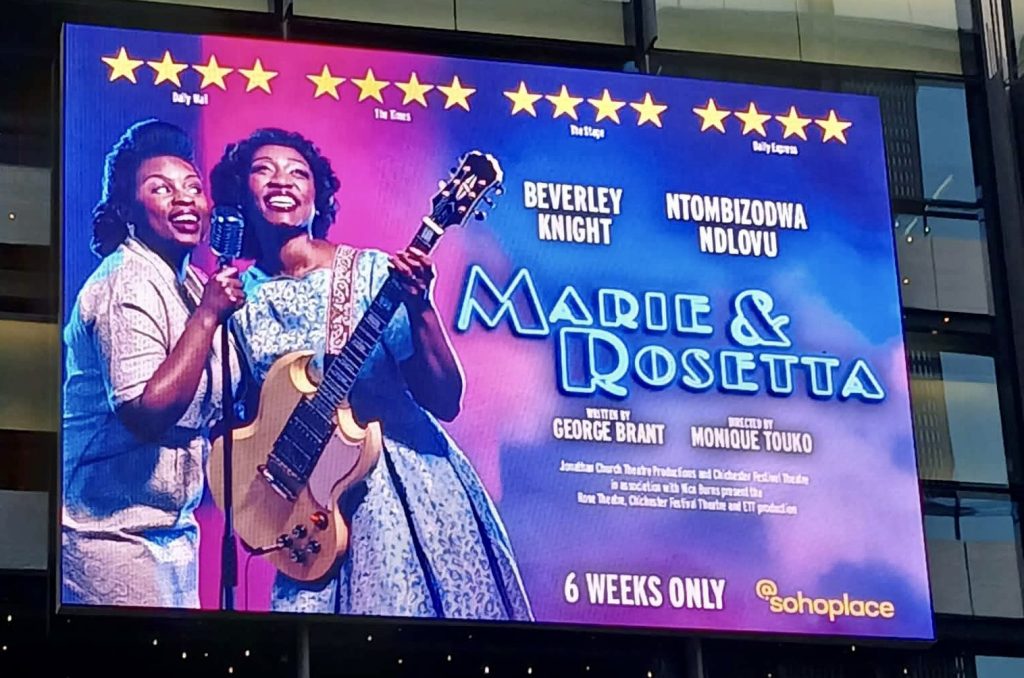
AD GIFTED| Starring Beverley Knight, Marie & Rosetta examines the tension between tradition and transformation, devotion and showmanship, and the personal and social challenges faced by two Black women navigating the segregated American South.
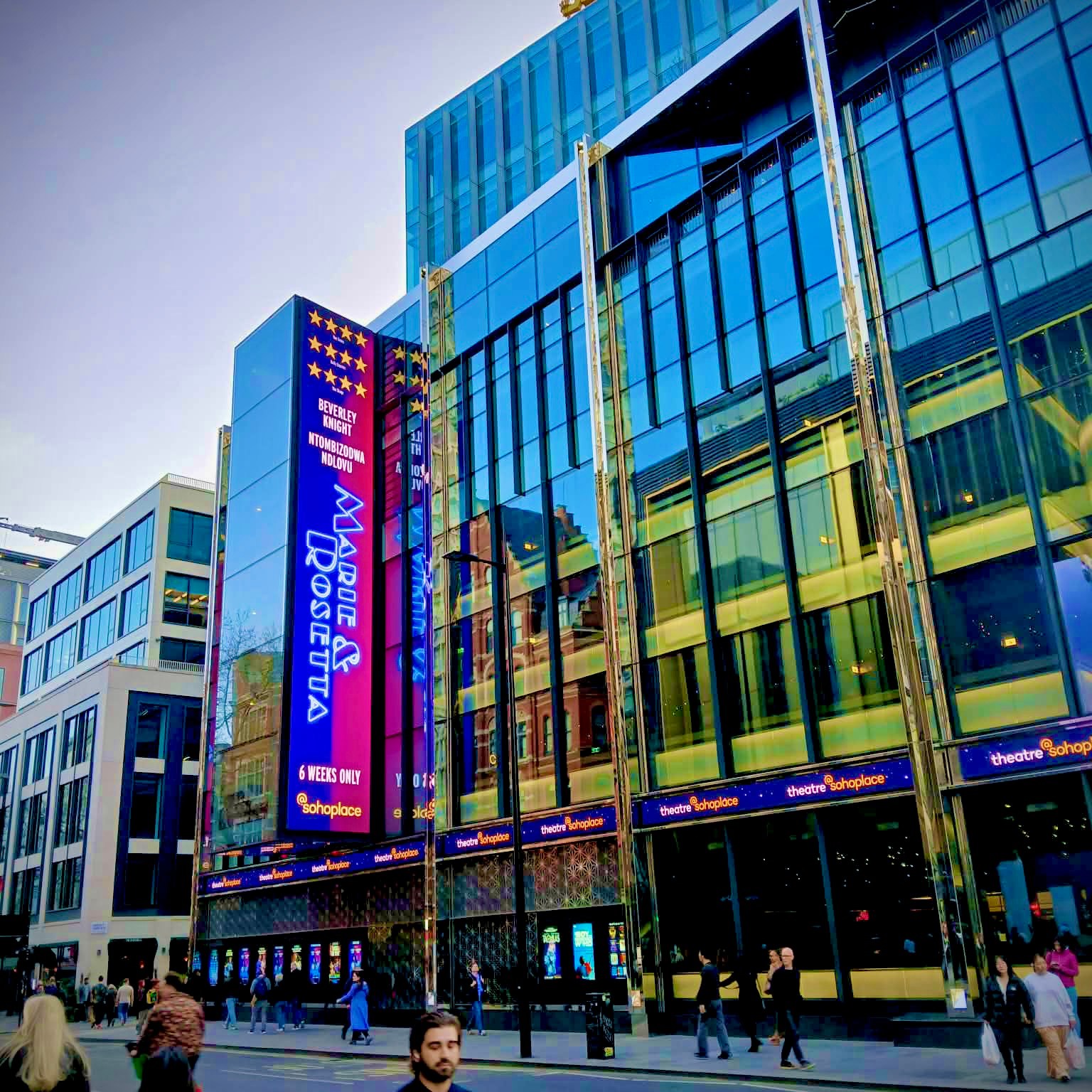
I was fortunate enough to attend the opening performance of Marie & Rosetta, a new production now playing at Soho Place. Before even discussing the show itself, it feels only right to start by giving a shout-out to the theatre. As the first purpose-built new West End theatre to open in nearly 50 years, Soho Place is a remarkable addition to London’s theatre scene. Designed by Steve Tompkins and the team at Haworth Tompkins, the building is a beautiful, clean, modern space that—perhaps unexpectedly—reminded me of the sleek elegance of a Cunard cruise ship.
More importantly, it is a superb performance space. I happened to be seated in the front row, but looking around the auditorium it genuinely felt like the kind of theatre where every seat offers an intimate connection with the stage. The design wraps the audience around the performers in a way that ensures no one feels distant from the action. In an era when large theatres can sometimes feel impersonal, Soho Place achieves the rare feat of being both architecturally impressive and theatrically welcoming.
The play itself transports us to Mississippi in 1946 and tells the story of the unlikely partnership between gospel legend Sister Rosetta Tharpe and the classically trained singer Marie Knight. Tharpe, often referred to as the “Godmother of Rock ’n’ Roll,” was a pioneering electric guitarist whose joyful, rhythm-driven style helped shape the sound that would later influence artists such as Elvis Presley and Little Richard. The play explores the moment when Tharpe recruits the young Marie Knight as her singing partner, encouraging her to step beyond the safe, sacred walls of church music and into a bolder, more performative musical world.
At its heart, Marie & Rosetta is about far more than music. It examines the tension between tradition and transformation, devotion and showmanship, and the personal and social challenges faced by two Black women navigating the segregated American South. Through humour, warmth, and some truly electrifying musical moments, the production captures the spark of creativity that helped lay the foundations of modern popular music.
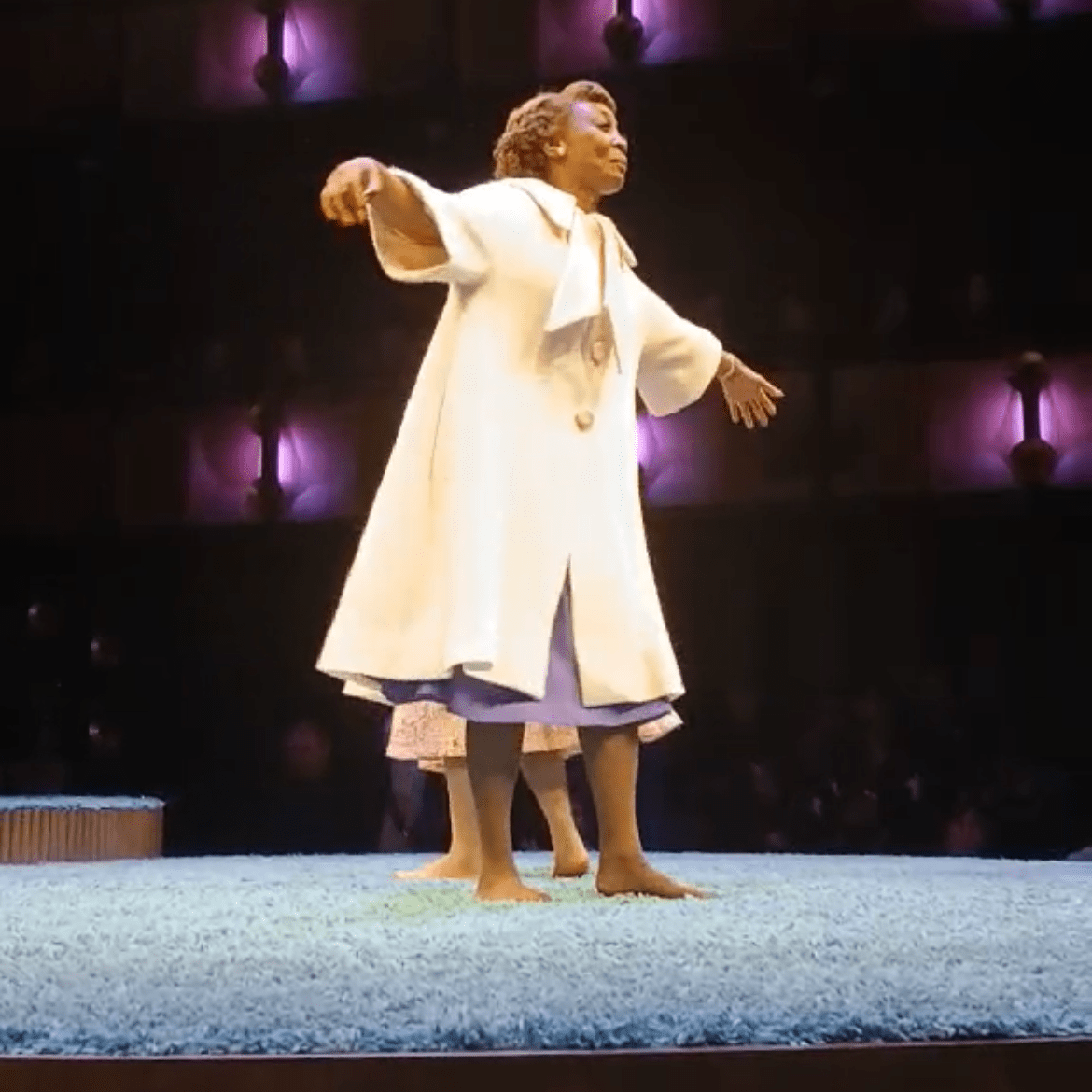
The show is carried by a two-woman cast, and both performers deliver strong and distinctive performances. Singer-songwriter—and now musical theatre star—Beverley Knight plays Sister Rosetta Tharpe, and she is undoubtedly the highlight of the evening. From the moment she steps onto the stage, Knight commands attention. Her voice is as powerful and soulful as one would expect, but what makes the performance truly impressive is the complete physical embodiment of Tharpe. The swagger, the humour, the musical confidence—every element feels authentic and alive. It’s easy to see why Tharpe became such a revolutionary musical figure, and Knight captures that spirit brilliantly. Her performance feels perfectly cast and delivered with a charisma that would surely make Rosetta herself proud.
Opposite her, Ntombizodwa Ndlovu plays Marie Knight, bringing a very different—but equally welcome—energy to the production. Where Tharpe is bold and flamboyant, Ndlovu’s Marie begins as more reserved, grounded in the traditional gospel style she knows so well. Her voice carries a beautiful, almost heavenly gospel tone that provides a striking contrast to Rosetta’s blues-infused dynamism. Watching the relationship between the two women develop—mentor and student, equals and collaborators—forms the emotional core of the play.
The musical numbers are naturally the highlights, allowing the performers to showcase not only their vocal talents but the powerful musical heritage they represent. These moments feel less like traditional musical theatre set pieces and more like glimpses into the birth of a sound that would eventually influence generations of artists.
I would comfortably give Marie & Rosetta four stars: a vibrant, heartfelt show that honours its musical roots while reminding audiences just how revolutionary those roots truly were.
 Front Row Frankie
Leave a comment